

Nile Cruise from Aswan to Luxor: Our Itinerary, Costs and Honest Review

Somewhere between exploring ancient temples and watching a tiny boat pull alongside our ship to sell souvenirs, we realised that a Nile cruise was going to be much more entertaining than we’d expected.
There’s history, of course. An almost unreasonable amount of it. But there’s also the pleasure of unpacking once, watching Egypt drift past and letting someone else worry about how you’re getting to the next temple.
Quick Guide:
We booked our Aswan-to-Luxor Nile cruise through GetYourGuide, chose the deluxe option and paid around €400 per person. Our flight timings made it more expensive than it needed to be, but the shorter cruise felt like the perfect length for our Egypt itinerary.
Would we recommend it? Absolutely. For us, a Nile cruise is a must-do and one of the experiences that felt well worth the money. Here’s how our journey unfolded, what to know before booking and how to budget for the extras.

Choosing the Right Nile Cruise in Egypt
How Many Days Do You Need?
When comparing cruises, check the number of nights, rather than relying on the headline duration. The package we followed is advertised as four days and three nights, counting boarding and the final sightseeing day.
The shorter cruise worked perfectly for us. We had time to enjoy the river, visit the temples along the route and settle into life on board while still leaving room for Cairo, Aswan and the Red Sea.
You’ll also find four-night sailings and longer itineraries. Routes and sightseeing schedules vary, so an extra night doesn’t automatically mean an extra major attraction. Some longer cruises simply give you more time to enjoy each stop. For a first Egypt trip with several destinations, we’d happily recommend the shorter Aswan-to-Luxor option.
Standard, Deluxe or Luxury Cruise Ships?
Searching for a Nile cruise can feel like scrolling through fifty versions of the same floating hotel. Everything looks lovely, everything has stars, and the word “luxury” gets quite a workout.
Larger ships are often sold under categories such as standard, deluxe and luxury, but those labels alone won’t tell you what your experience will be like. We chose deluxe, the middle option available to us. It was the balance we wanted between keeping the budget sensible and making the cruise feel like a proper part of the holiday.
Before paying for an upgrade, check the actual ship or the possible ships you could be allocated along with recent photographs, cabin details and reviews.
Also separate the ship from the sightseeing package. A better cabin doesn’t necessarily mean better guides or more included excursions.
Dahabiya and Felucca Cruises
A larger motor ship isn’t the only way to experience the Nile. A dahabiya is a smaller sailing vessel with cabins, offering a more intimate alternative. These boats have their own itineraries and sailing arrangements, so compare their routes rather than assuming they follow the larger ships.
A felucca is a traditional sailing boat with a much simpler setup. On some overnight trips, passengers sleep on mattresses on deck, and the distance travelled depends on the wind. Wonderful if that’s the adventure you want, but quite different from a private cabin and bathroom. For this trip, we wanted the comfort and convenience of a larger cruise ship.

Nile Cruise Costs and the Booking Mistake We’d Avoid
Our Deluxe Cruise Cost €400 Per Person
We paid around €400 each, or approximately €800 for the two of us, for our deluxe booking.
That’s what our trip cost, rather than a fixed price you should expect for every departure. Prices change with the dates, vessel, cabin and package you choose.
Our departure date made a noticeable difference.
Choose the Regular Sailing Days Where Possible
Because of our flight conflicts, we had to choose a less common departure day. It cost considerably more than the usual departures we’d been comparing.
Our biggest booking tip is therefore simple: check cruise schedules before locking in your flights.
Different ships operate on different days. JAZ, for example, advertises a Monday Aswan-to-Luxor saver departure, while Oberoi Zahra lists Tuesday and Saturday embarkation schedules. There isn’t one universal cheap departure day for every Nile cruise.
If you have flexibility, compare your operator’s regular departures with the date you originally planned. You may find that shifting a flight or hotel night saves you money overall.
We made the cruise fit our flights. Next time, we’d price both together. Our bank account would have appreciated that little bit of coordination.
Why We Booked Through GetYourGuide
We booked through GetYourGuide, and based on our experience, it’s the way we’d recommend doing it. You’re coordinating more than a room on a ship. There’s boarding, transfers, guides, temple visits and sightseeing after disembarkation. Having those arrangements under one booking made the journey much easier.
Unless you particularly enjoy holiday logistics, we wouldn’t recommend piecing the whole thing together yourself. A small saving can quickly become a headache when your driver, guide and ship are all working to different plans.
Our guides were included, and we could spend our time enjoying the trip instead of organising the next part of it. We chose this tour from getyourguide: Nile river cruise
You can download the app and get 5% off your booking using the code ROAMMANTICS5
Some links in this post are affiliate links. If you book through them, we may earn a small commission at no extra cost to you. This post isn’t sponsored.
Starting with Abu Simbel Before Boarding in Aswan
How We Changed the Cruise Itinerary
We followed the linked cruise itinerary with one important adjustment: we replaced the Aswan sightseeing portion with Abu Simbel. The advertised programme starts with Philae Temple and boarding in Aswan, with Abu Simbel available as an optional excursion. Our arrangements were different, so confirm any changes with the operator before assuming you can make the same swap. We left for Abu Simbel around 4am, visited the temples and returned to Aswan to join the cruise. It was the kind of start where your alarm feels personally offensive. But Abu Simbel gave us a spectacular opening to this part of the trip.

A Brief History of Abu Simbel
Ramesses II had Abu Simbel’s temples built in the 13th century BC. Four enormous seated statues dominate the Great Temple’s entrance, while the smaller temple honours Queen Nefertari and the goddess Hathor. There’s an extraordinary modern chapter too: the temples were dismantled and reassembled on higher ground to save them from the rising waters of Lake Nasser, with the relocation completed in 1968. We’d recommend a guide here, followed by time to explore independently. We returned to the Great Temple after the main crowds had moved through, which made the experience even better. Then it was back to Aswan, onto the ship and time to let the holiday slow down a little. Abu Simbel tour with Free pickup and Drop. You can also download the app and get 5% off your booking using the code ROAMMANTICS5.
Some links in this post are affiliate links. If you book through them, we may earn a small commission at no extra cost to you. This post isn’t sponsored.
Boarding the Cruise and Settling into Life on the Nile
One of the best things about the cruise was surprisingly ordinary: we could unpack and stay put. After moving between hotels and arranging transfers, that felt like a small luxury. Your accommodation comes with you, and the next destination arrives without another suitcase negotiation. Life on board falls into a comfortable rhythm of sightseeing, meals, sailing and those lovely stretches when you don’t need to do very much. Make time for the river itself. The temples are the headline attractions, but watching the banks change as you travel is part of what makes this journey special. And remember that a multi-night cruise includes time moored for boarding and excursions. Your ship won’t necessarily be moving every time you look out of the window.
Kom Ombo Temple in the Evening
One Temple Dedicated to Two Gods
We visited Kom Ombo in the evening, our next major temple stop along the route.
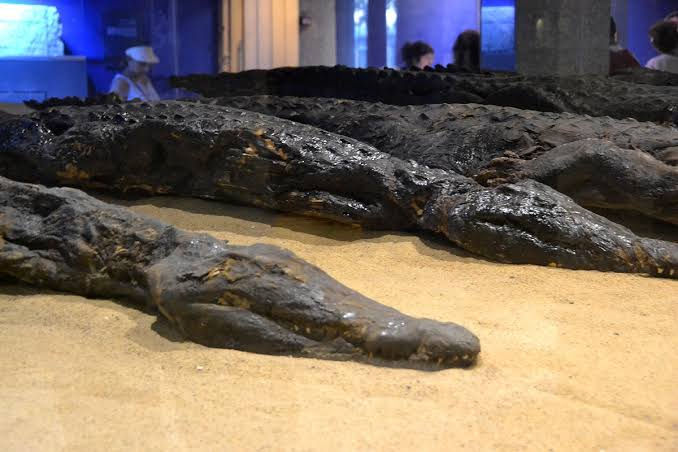
Its unusual layout has a good explanation: it’s a double temple dedicated to Sobek, the crocodile god, and Horus the Elder, the falcon-headed god. Parallel passages lead through the halls towards separate sanctuaries. The surviving structure largely dates to the Graeco-Roman period, although an earlier temple stood here before it. Once you know about that double design, you start seeing the building differently. The layout becomes part of the story, rather than just another impressive collection of columns.

Why Having a Guide Makes a Difference
A guide gives you something to look for: the gods, the carved scenes and the reasons behind the temple’s design. You don’t need to memorise every ruler or turn your holiday into an exam. A few well-told stories are enough to make the stones feel a little less silent.
After exploring, we returned to the ship and continued towards Edfu.
Edfu Temple and the Story of Horus
Visiting the Temple of Horus in the Morning
We visited Edfu Temple in the morning, and it’s a brilliant stop on the Aswan-to-Luxor route.
Dedicated to Horus, it’s one of Egypt’s most complete surviving ancient temples. Construction began in 237 BC and finished in 57 BC around 180 years later. Quite a project timeline.
Because so much survives, it’s easier to understand how the temple worked. You can follow the route through the monumental entrance, courtyard and halls towards the sanctuary, rather than trying to imagine an entire building from a few remaining fragments.
Give the details some attention too. The falcon imagery and carved scenes become much more interesting after your guide introduces Horus and the stories associated with him.
If you have time after the explanation, take another look around. That second pass is often when you notice what you missed while following the group.
Then we were back on board, with Luxor ahead and an unexpectedly entertaining river crossing along the way.

Crossing the Esna Lock
A Water Lift for an Entire Cruise Ship
One of the most exciting moments of the journey had nothing to do with an ancient monument. It was watching our ship pass through the Esna lock.
The high walls and narrow passage make the whole process fascinating from on board. Suddenly, everyone has a reason to stop staring into the distance and pay attention to what the ship is doing. The lock allows boats to pass between different water levels beside the Esna barrage. The vessel enters a chamber, the gates close and the water level changes before the ship continues on the other side. Think of it as a water lift for a very large boat.
It sounds practical written down. Watching it happen around you is considerably more fun.
If you’re on deck as you approach, stay and watch. It became one of those highlights we hadn’t planned for.

Small Boats Selling Alongside the Ship
Then there were the sellers in little boats pulling alongside the cruise.
We’d expected shopping opportunities on land. We hadn’t quite expected the shopping to come sailing over to us.
Watching the boats approach and the conversations begin between sellers and passengers was entertaining in itself. Ancient temples, river views and a floating sales pitch: the Nile keeps things varied.
If you buy something, agree clearly on the item, price and currency first. If you don’t want anything, a friendly refusal is enough. You can enjoy watching without joining in.
Evenings on Board and the Galabia Party
Our cruise included a galabia party, adding a little fun between the temple visits and early starts.
A galabia is a loose traditional robe, and themed evenings give passengers a chance to dress up and join in. After a day of listening to stories about gods and pharaohs, an evening that asks less of your concentration is rather welcome.
Entertainment varies between ships, so don’t expect every vessel to have the same programme.
For us, these lighter moments helped balance the trip. Egypt can fill your head with an enormous amount of history. Sometimes you just want to enjoy being on holiday.
Meals, Water, Drinks and Wi-Fi on a Nile Cruise
Meals Were Included, but Water Was Extra
Our package included meals, but water and other drinks cost extra. Onboard prices were considerably higher than what we’d become used to paying elsewhere in Egypt.
Our easiest money-saving tip is to buy bottled water before boarding, provided your ship allows it.
We found water on land for less than 5% of the onboard price. That’s a big difference for something you’ll need throughout the trip, particularly between hot temple visits.
Check the policy on bringing water aboard beforehand. A little preparation is easier than having the same annoyed conversation with yourself every time you get thirsty.
How Expensive Were Drinks?
Compared with local Egyptian prices, expensive. Compared with Europe or the US, perhaps less alarming.
For context, a 330ml beer was around €5 on our cruise. Slightly expensive, but coming from Dublin, it wasn’t exactly going to send us into financial shock.
The funny thing is how quickly you adjust to Egyptian prices. After a few days, a drink you’d happily pay for at home starts feeling outrageous.
We’d save on the everyday water and enjoy an occasional onboard drink if you fancy one. You’re on holiday, after all.
Free Wi-Fi, Occasionally Cooperative
Wi-Fi was free on our ship, but the connection was patchy. Mobile reception wasn’t consistently reliable either as we travelled along the river.
Download anything important before boarding, and don’t build your cruise around video calls or uploading every piece of footage in the evening.
Then let yourself switch off for a while. Sit on deck, watch the river, or consider a massage if your ship offers one and you fancy it, just check the price first.
There are worse places to be temporarily unreachable.
Nile Cruise Entrance Fees and Extra Costs
Guides Were Included, Entrance Tickets Weren’t
Our guided visits were covered by the package, but the entrance tickets were separate purchases.
This is an important distinction when budgeting. A guided temple visit doesn’t automatically mean admission is included.
The linked cruise also states that entrance fees are excluded from its base price. Other packages may include them, so read the exact option you’re booking rather than assuming the same rule applies everywhere.
Tips were up to us. Keep a little cash available if you want to thank your guides or the crew.
Entrance Fees for the Aswan-to-Luxor Cruise Sights
These are the published foreign adult admission prices checked on 8 October 2026. They’re useful for planning, but check again before your visit because prices can change.
Attraction | Foreign adult entrance fee |
Abu Simbel | EGP 750* |
Kom Ombo Temple | EGP 450 |
Edfu Temple | EGP 550 |
Valley of the Kings — standard admission | EGP 750 |
Hatshepsut Temple | EGP 440 |
Karnak Temple | EGP 600 |
Luxor Temple | EGP 500 |
Colossi of Memnon — roadside viewing area | Free |
Abu Simbel, Kom Ombo and Edfu prices are published by Egypt’s Ministry of Tourism and Antiquities. Abu Simbel rises to EGP 1,200 on 22 February and 22 October, the solar-alignment dates.
The Ministry lists the Luxor admission prices shown above; Karnak’s EGP 600 ticket includes its Open-Air Museum. The roadside viewing area at the Colossi of Memnon is free, distinct from any separately ticketed archaeological area behind it.
For the six paid cruise-route sights from Kom Ombo through Luxor, budget EGP 3,290 per adult. Adding Abu Simbel brings that to EGP 4,040 per adult on a normal admission day.
Those totals cover the listed admissions only, excluding drinks, tips, optional activities and any separately charged transport or site extras.
Extra Tickets at the Valley of the Kings
Some tombs require an additional ticket beyond standard admission.
For example, the Ministry currently lists Tutankhamun’s tomb at EGP 700 per foreign adult, purchased separately. Don’t assume it’s included simply because your itinerary says “Valley of the Kings.” Decide which extra tombs interest you before arriving, then confirm their availability and prices with your guide.
Arriving in Luxor and the Optional Balloon Ride
Our Hot-Air-Balloon Ride Was Cancelled
Some cruise packages offer a hot-air-balloon flight over Luxor, either bundled into the booking or as an optional extra. Ours was cancelled because of the weather. Disappointing, certainly, but the part that surprised us was the refund. Because the flight was bundled into our package, the amount returned was only around €10. Don’t assume a cancelled balloon flight means you’ll receive the equivalent of a standalone ticket price. The refund depends on how it was booked and the package terms; a separately purchased flight may have different conditions. Check those terms beforehand, particularly if the balloon ride is a major reason you’re choosing a package. Treat it as a weather-dependent possibility rather than a guaranteed part of the trip.
Luxor Sightseeing Included in Our Cruise Package
Disembarking didn’t mean the sightseeing was finished. Our booking included visits on both banks of the Nile in Luxor too. That’s worth checking when comparing prices. A cruise ending with a transfer and one including a guided Luxor programme offer quite different value. We’ll cover the city properly in a separate guide, but these were the final stops in our journey.
Valley of the Kings
This was the royal burial ground of Egypt’s New Kingdom, with tombs cut into the hills on the west bank.After the monumental temples, entering decorated underground spaces gives you a different perspective on ancient Egypt and its elaborate preparations for the afterlife.
Hatshepsut Temple and the Colossi of Memnon
Hatshepsut’s terraced temple sits against the cliffs at Deir el-Bahari. Built for a queen who became pharaoh in the 15th century BC, it’s an extraordinary setting for an extraordinary ruler. We also stopped at the Colossi of Memnon, enormous seated statues of Amenhotep III that once stood at his mortuary temple. They make quite an introduction to Luxor’s talent for building on a spectacular scale.
Karnak Temple and Luxor Temple
Karnak was a major religious centre devoted especially to Amun, developed by generations of rulers. Its Great Hypostyle Hall contains 134 columns, a forest of stone that makes even a busy sightseeing day worth slowing down for. Luxor Temple was linked with Karnak through the Opet Festival, when sacred images travelled between the temples in procession. Amenhotep III built its core, with later rulers adding their own contributions. By this point, Luxor had thoroughly made its case for a guide of its own.
Is a Nile Cruise Worth It?
For us, absolutely!
At around €400 per person for our deluxe option, it was a significant part of our Egypt budget. But it brought together accommodation, meals, guides, sightseeing arrangements and the experience of travelling along the Nile. Entrance fees and onboard extras need budgeting for. Even with those, we felt it offered great value.
The temples were extraordinary, but we also remember the river, the little boats coming alongside, the galabia party and the excitement of crossing the Esna lock. Those moments made the cruise feel like a holiday in its own right.
We’d book the complete package through GetYourGuide again. We’d just compare the regular sailing days before committing to flights. And with the cruise behind us, we were in Luxor, ready for the next chapter. Happy travels! Egypt, Nile Cruise, Aswan, Luxor, Travel Reviews, Itineraries, Ancient Egypt


Comments